

Tarangire National Park

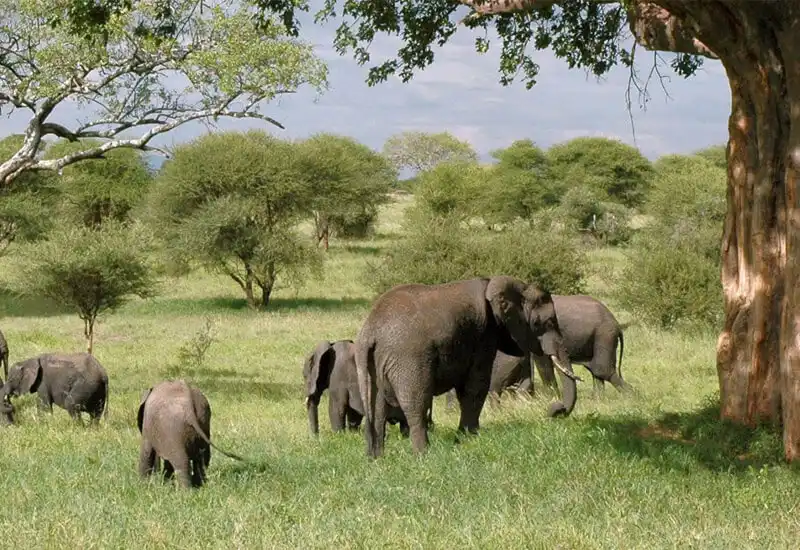
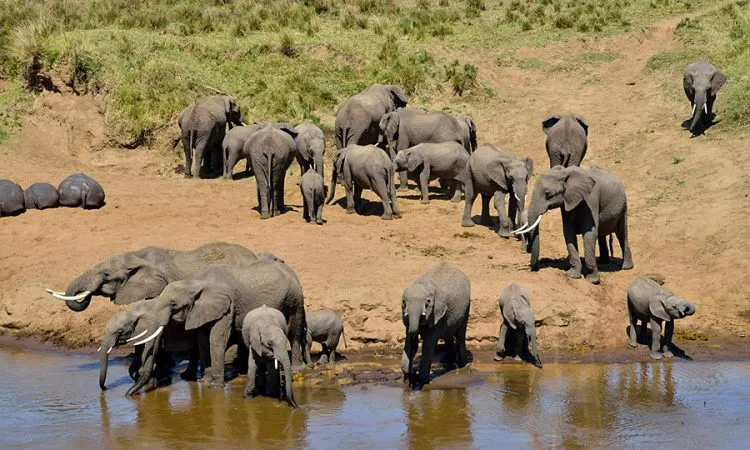
Large elephant herd at Tarangire National Park with baobab trees
Tanzania, East Africa

Tarangire National Park travel guide

Tarangire National Park covers 2,850 square kilometres of diverse terrain in northern Tanzania, anchored by the Tarangire River - the only permanent water source in the area during the dry season. From June to October, as the surrounding wilderness dries out, animals from across a vast migratory system converge on the river, making Tarangire one of Tanzania's best wildlife concentrations during this period. The park is recognised for the largest elephant population in Tanzania's northern circuit and for its extraordinary landscape of giant baobab trees, which give Tarangire a distinctive visual character unlike any other park on the circuit.

At a Glance

Tarangire National Park key facts

LocationNorthern Tanzania, Manyara region
Size2,850 sq km
Established1970 (national park)
Nearest baseArusha (approx. 2 hours) or Moshi (approx. 2.5 hours)
Best time to visitJune to October (dry season, peak wildlife at the river)
Wildlife highlightsElephant, lion, leopard, cheetah, wild dog, python, oryx, over 550 bird species
What to Know

Tarangire National Park highlights

Elephants among baobab trees in Tarangire National Park

Elephants and baobabs

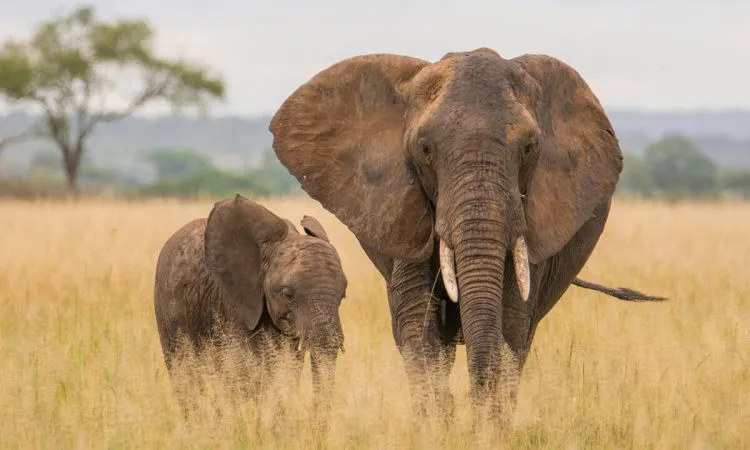
Tarangire is most associated with its elephants - the park holds some of the largest elephant families in the northern circuit, and encounters with breeding herds of 50 or more animals are not unusual during the dry season. The giant baobabs that dot the landscape are estimated to be hundreds to thousands of years old and provide a sense of scale that photographs rarely capture. Many contain hollow trunks large enough for an elephant to shelter inside.
Birdwatching in Tarangire National Park

Birdlife

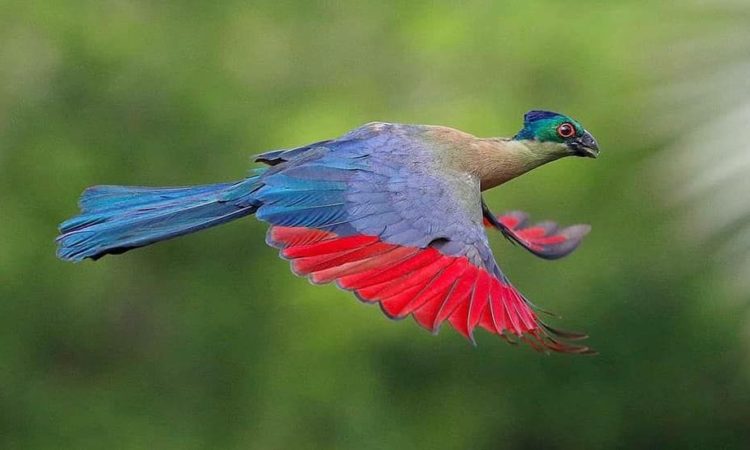
Tarangire is one of Tanzania's premier birdwatching destinations with over 550 recorded species. The mix of riverine forest, swamp, open savanna, and baobab woodland creates diverse habitats within a single park. Lappet-faced vultures, yellow-collared lovebirds, ashy starlings, and the endemic Tarangire subspecies of the red-and-yellow barbet are among the notable species. The swamp areas are particularly productive for waterbirds.

Dry season game viewing along the Tarangire River

Dry season strategy

The Tarangire River is the key to understanding the park's dry season concentration. As water disappears elsewhere, animals have no choice but to use this river. Game drives along the river banks during July to October produce consistently high wildlife sightings. The contrast between the yellow-brown dry landscape and the greenery along the river also makes for distinctive photography. During the wet season, animals disperse widely and the park is quieter, though birdlife is at its most diverse.

Ready to visit Tarangire National Park?

Tell us when you are travelling and what interests you - we will build the right itinerary around Tarangire National Park.

Maluku Global Tours and Safaris

Tanzania tour operator based in Moshi, Kilimanjaro. We arrange safaris, Kilimanjaro climbs, Zanzibar holidays, and day trips.