




Ready to plan your Tanzania trip?
Our team in Moshi is available to answer questions and put together a tailored itinerary.
Tanzania's northern circuit can be visited year-round, but the experience changes significantly between seasons. The dry season from June to October is the most reliable for wildlife viewing across all parks - animals concentrate around permanent water sources and vegetation is lower, making wildlife easier to spot. January to March brings the calving season to the southern Serengeti, one of the most dramatic wildlife events in Africa. July to October combines the dry season with the northern Serengeti migration river crossings. The wet season from April to May is quieter and cheaper, with the landscape at its greenest.
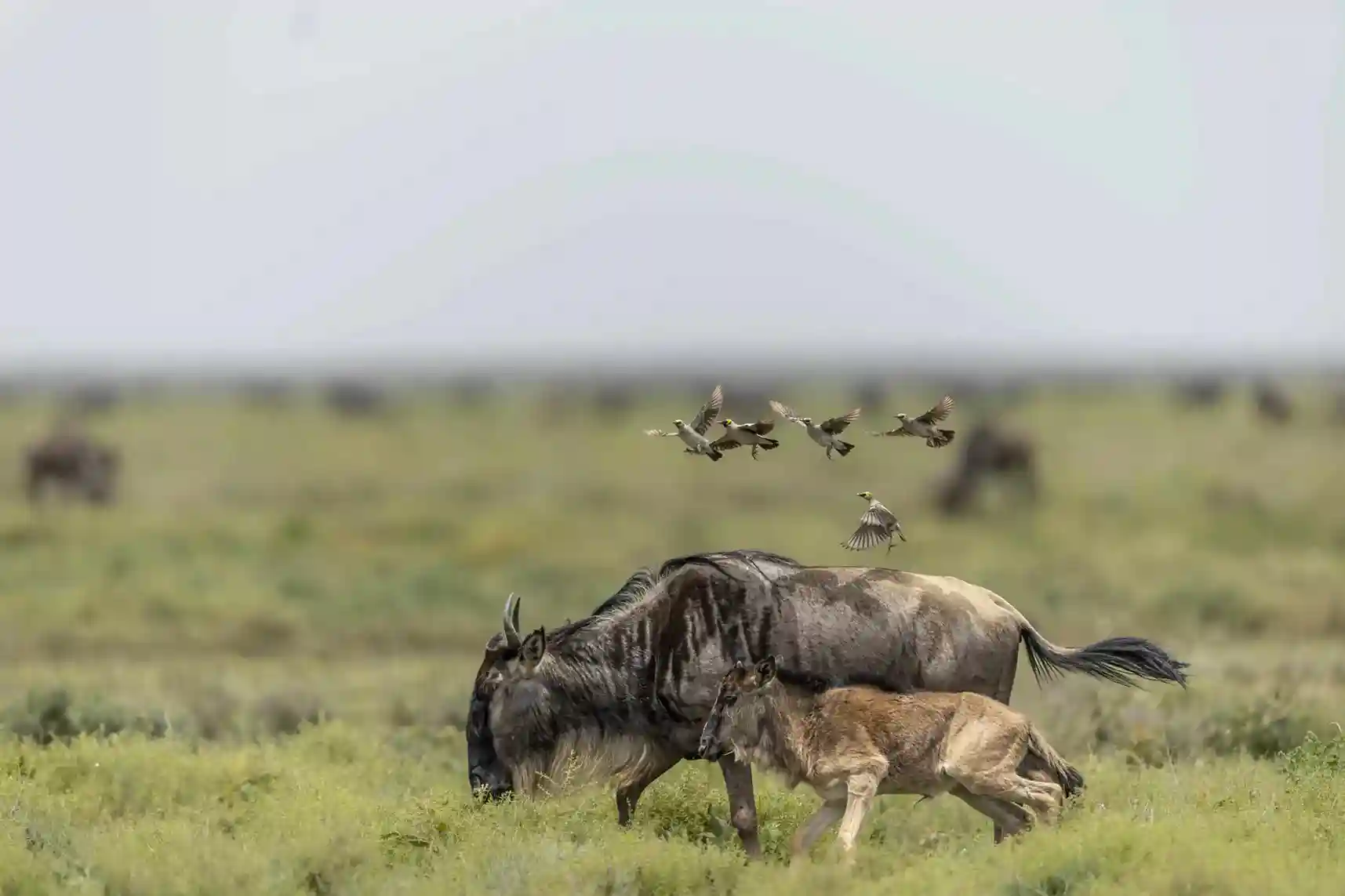
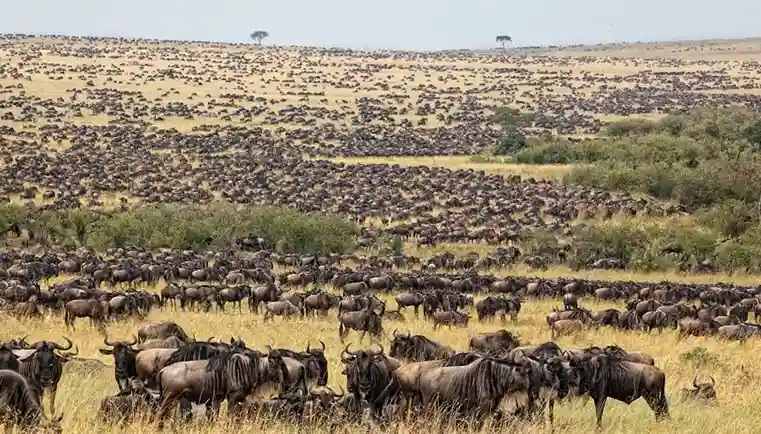
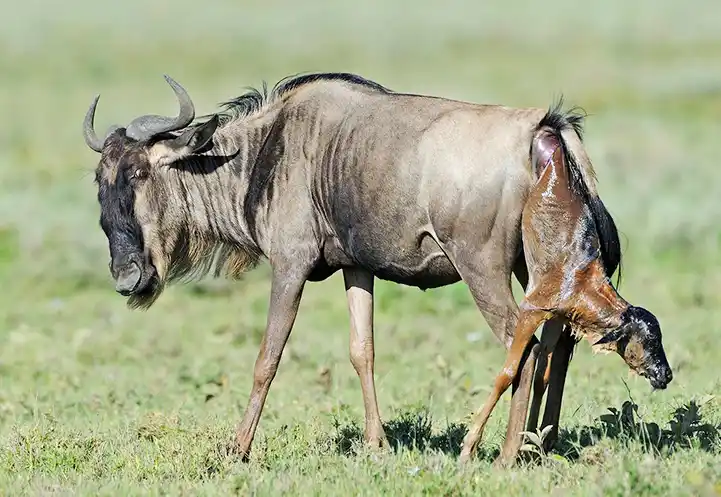
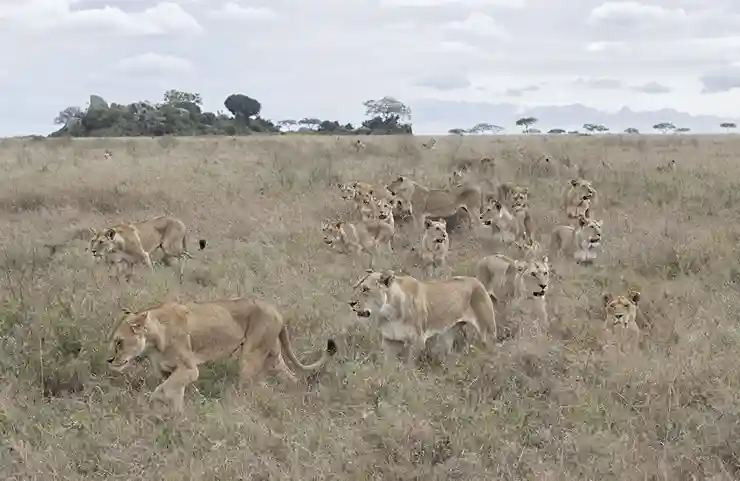
The short grass plains of the southern Serengeti and the adjacent Ndutu area are the calving grounds of the great migration. From late January to March, hundreds of thousands of wildebeest calves are born in a concentrated burst - an evolutionary strategy to overwhelm predators. The result is one of the most intense predator-prey interactions of any time of year, with cheetah, lion, hyena, and wild dog all active on the plains. Accommodation at Ndutu fills up quickly during this window and should be booked well in advance.
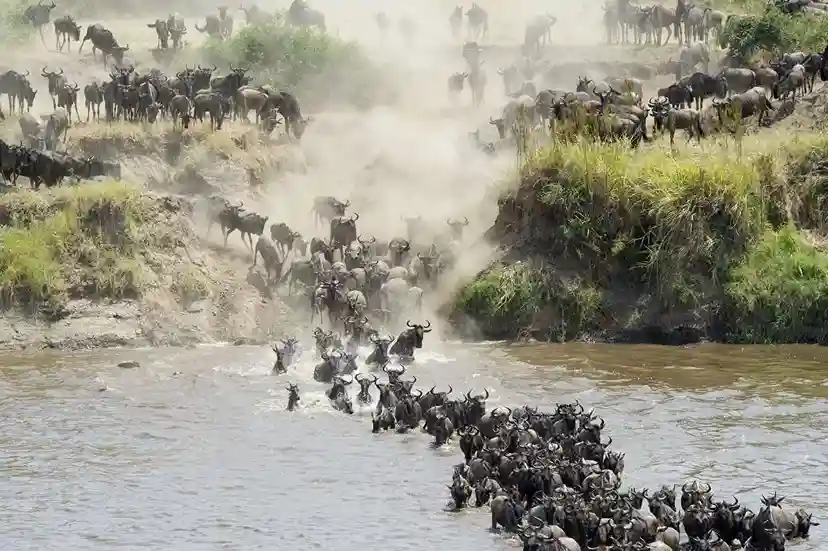
The dry season is the most popular time to visit the northern circuit. Wildlife concentrates around the Tarangire River in Tarangire, the crater floor springs in Ngorongoro, and the Mara River in the northern Serengeti. The wildebeest herds reach the northern Serengeti from July to October and attempt crossings of the Mara River under pressure from crocodiles and lions - the most photographed event in African wildlife. Prices and visitor numbers peak in August and September.
The long rains from April to May are the low season across the northern circuit. Some camps close or reduce operations. Roads can be difficult, particularly in the Serengeti's remote western and northern zones. However, the landscape is green and photogenic, migrant birds are present in large numbers, and prices are significantly lower than peak season. Wildlife is still present but more dispersed. Experienced safari travellers who prioritise solitude and value often choose this window deliberately.
November is the start of the short rains across the northern circuit. The herds begin moving south from the northern Serengeti back toward the southern plains. The landscape greens up quickly and the parks are considerably less crowded than the peak season. December improves and some of the best birding of the year occurs during and after the rains. Prices are moderate in November and rise again in late December as international holiday travellers arrive.
Our team in Moshi is available to answer questions and put together a tailored itinerary.

Tanzania tour operator based in Moshi, Kilimanjaro. We arrange safaris, Kilimanjaro climbs, Zanzibar holidays, and day trips.
Road Taifa, Plot 16, Block C, Moshi CBD, Kilimanjaro, Tanzania