

Serengeti National Park

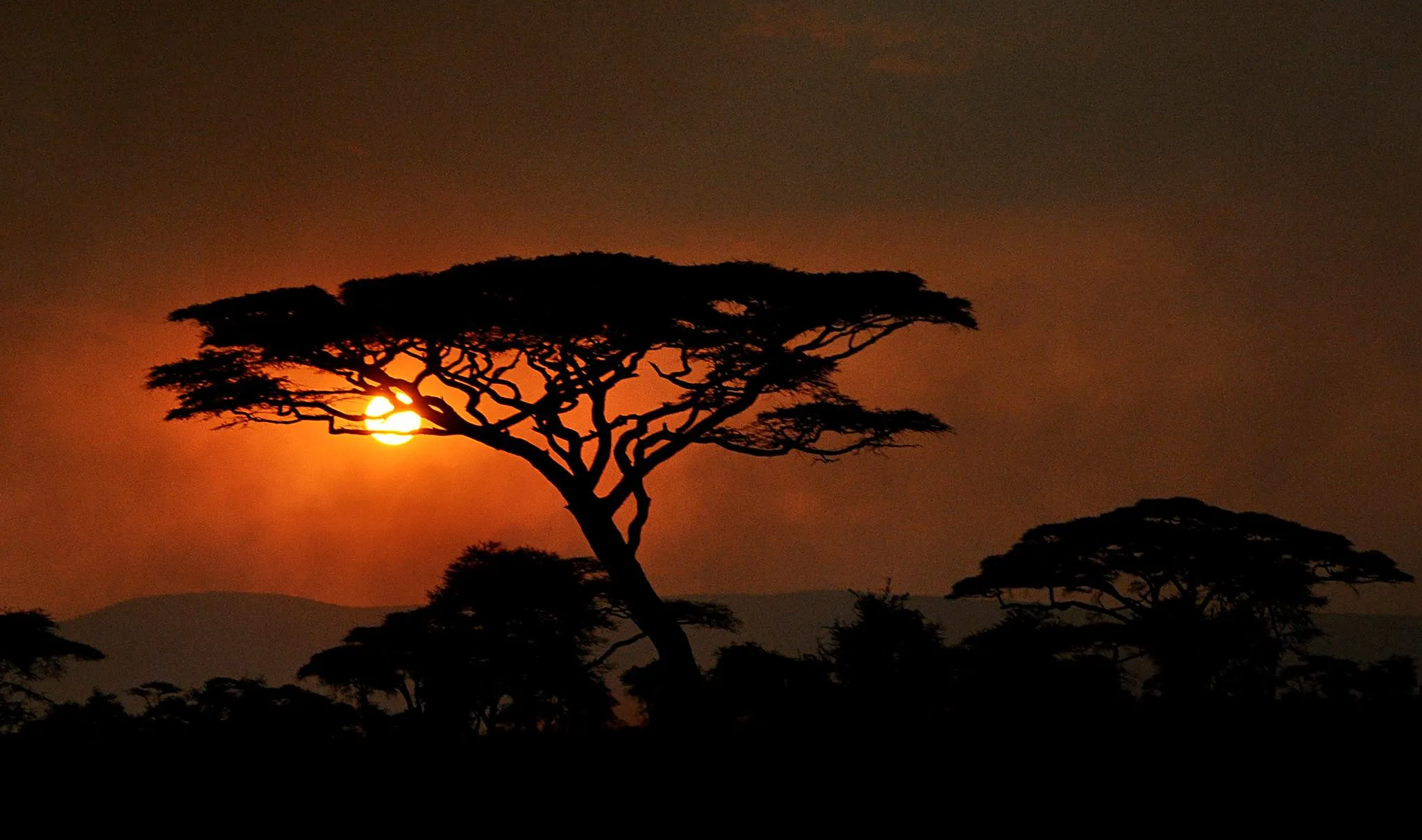
Serengeti savanna at sunset with acacia trees and wildlife silhouettes
Tanzania, East Africa

Serengeti National Park travel guide

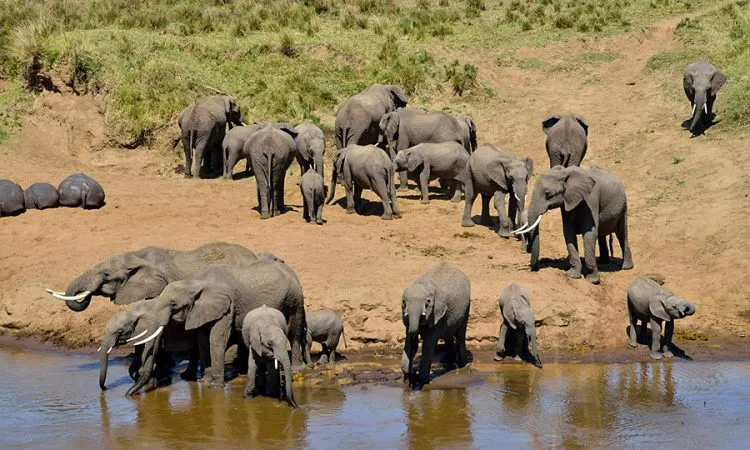
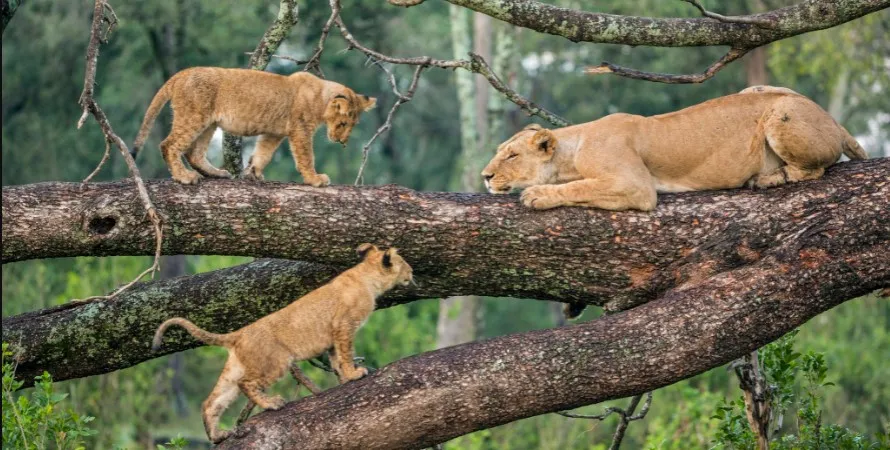
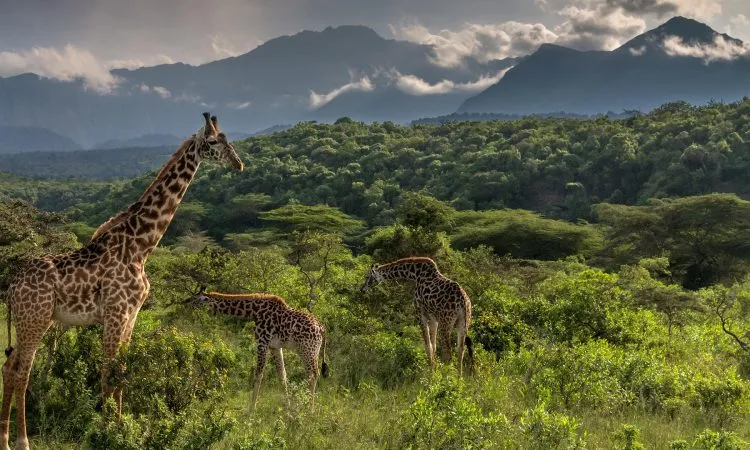
The Serengeti National Park covers 14,763 square kilometres of open savanna, acacia woodland, and riverine forest in northern Tanzania. It is Tanzania's largest and best-known national park and one of the most celebrated wildlife destinations in the world. The park holds exceptional concentrations of resident wildlife year-round - lion, leopard, cheetah, elephant, giraffe, zebra, wildebeest, and hundreds of bird species. It is also the stage for the annual wildebeest migration, a cyclical movement of over a million animals between the Serengeti and Kenya's Masai Mara that is described as the largest overland animal migration on earth.

At a Glance

Serengeti National Park key facts

LocationNorthern Tanzania, Mara and Simiyu regions
Size14,763 sq km
Established1951 (national park); 1981 (UNESCO World Heritage Site)
Nearest airportKilimanjaro International Airport (KIA), approx. 5-6 hours by road
Best time to visitJune to October (dry season); January to March (calving season)
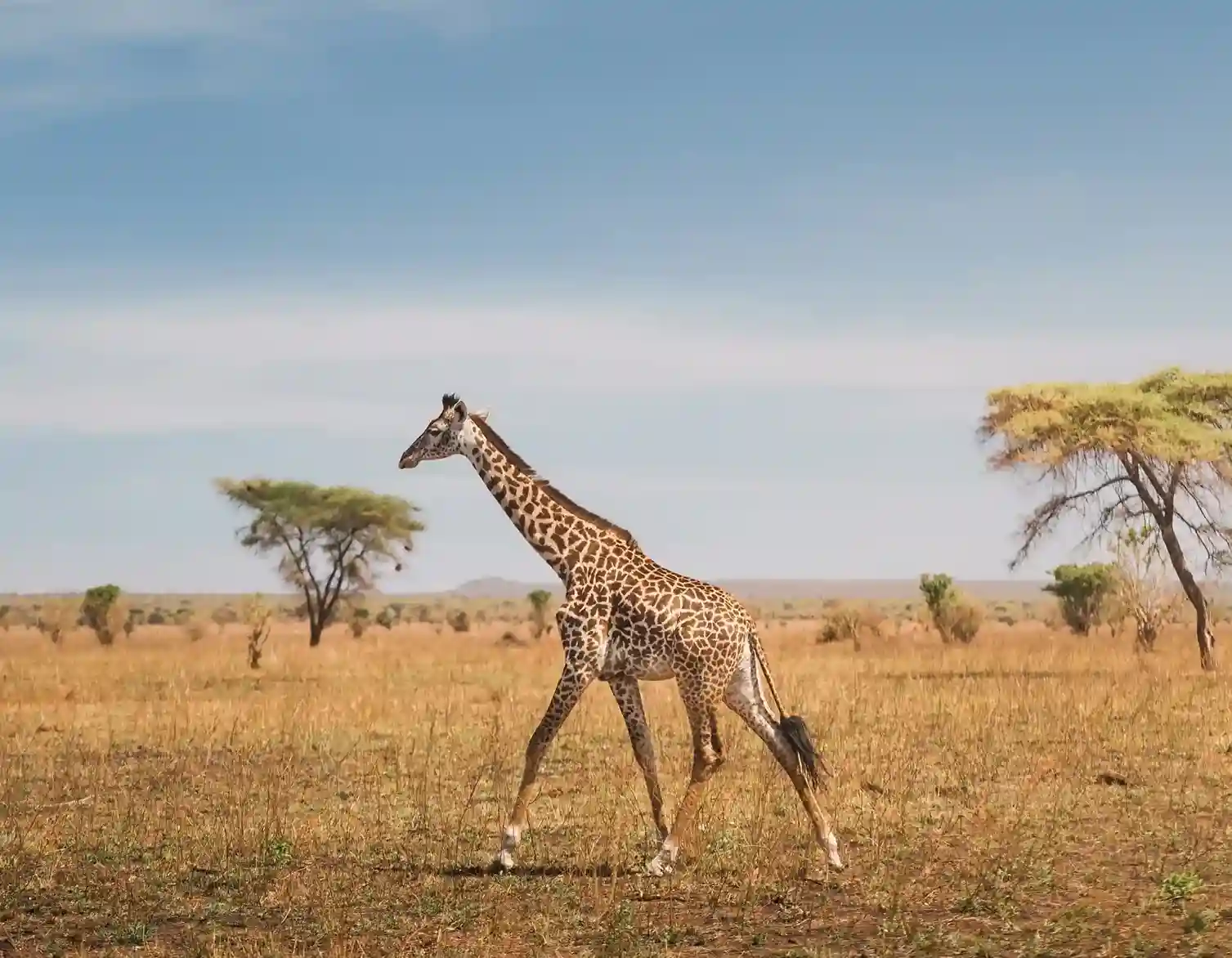
Wildlife highlightsLion, leopard, cheetah, elephant, giraffe, wildebeest, zebra, over 500 bird species
What to Know

Serengeti National Park highlights

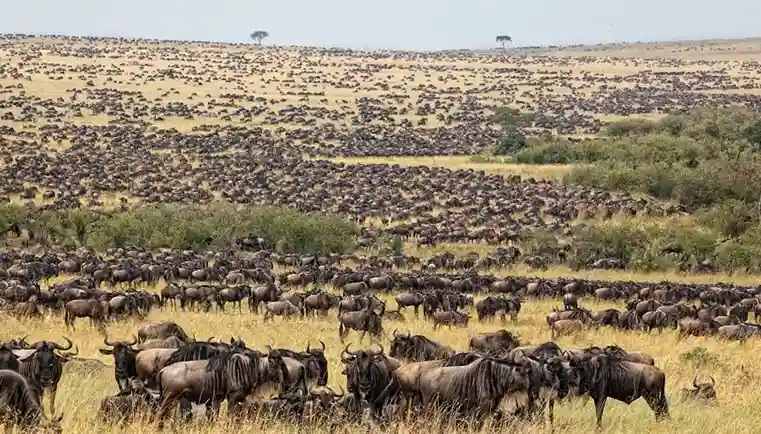
Wildebeest crossing the Mara River during the great migration

Great Migration

The great wildebeest migration follows a roughly circular route between the southern Serengeti and the Masai Mara in Kenya. The southern Serengeti and adjacent Ndutu area sees calving from January to March, when hundreds of thousands of wildebeest calves are born on the short grass plains. The herds move north through the dry season, reaching the Mara River in the north by July to October, where dramatic water crossings take place under pressure from crocodiles and predators on both banks. The migration is not a single event - it is a continuous cycle that can be witnessed at different stages year-round.
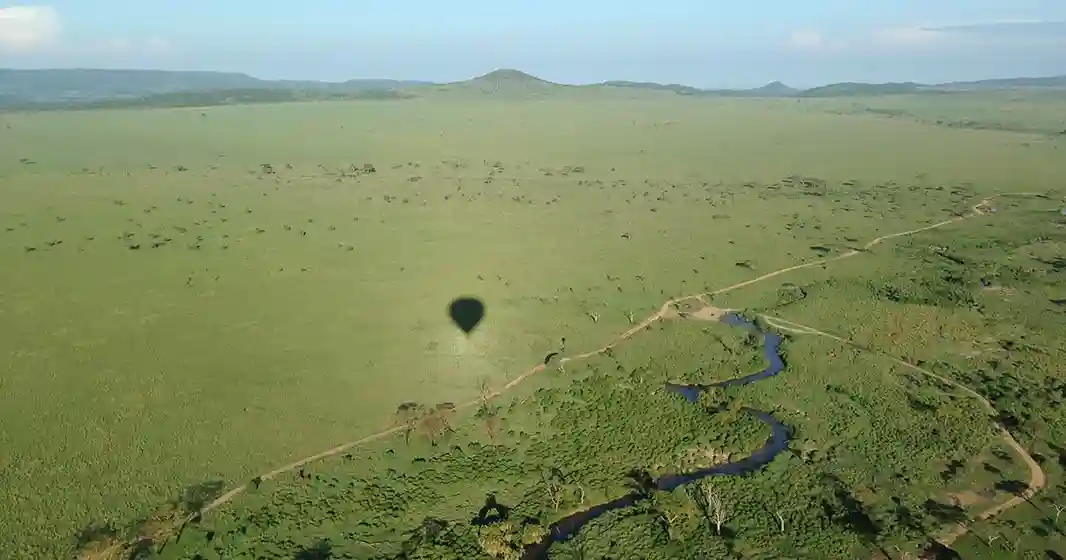
Aerial view of the Serengeti showing different vegetation zones

Zones and areas

The Serengeti is often thought of as one uniform landscape, but it covers multiple distinct zones. The central Seronera area has the highest year-round wildlife density and is most reliable for leopard and lion sightings. The southern short-grass plains around Ndutu are the calving grounds. The remote western corridor is less visited and has excellent biodiversity. The northern Serengeti near the Mara River is the destination for the dry-season migration crossings and sees the fewest vehicles of any area during the peak season.

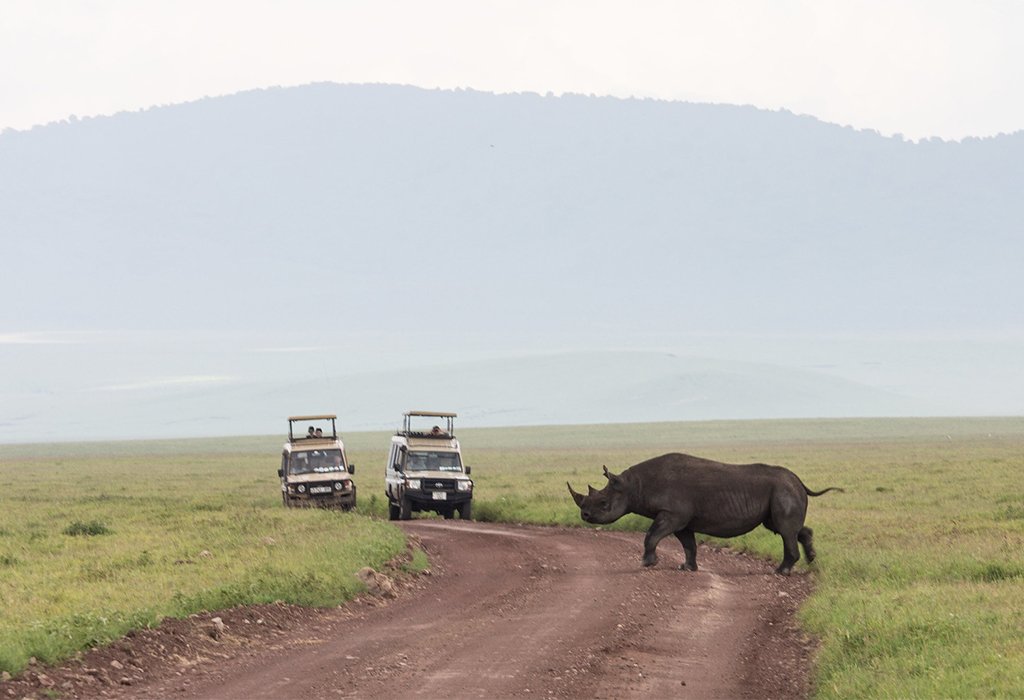
Game drive vehicle on the Serengeti plains with wildlife

Safari options

Game drives are the primary way to experience the Serengeti. Most visitors do morning and afternoon drives from a lodge or camp, with a midday break. Hot air balloon safaris over the plains are available at dawn - they offer a completely different perspective on the scale of the landscape and the density of the wildlife below. Walking safaris with an armed ranger are permitted in some areas. We arrange all of these through our Serengeti safari packages.

Ready to visit Serengeti National Park?

Tell us when you are travelling and what interests you - we will build the right itinerary around Serengeti National Park.

Maluku Global Tours and Safaris

Tanzania tour operator based in Moshi, Kilimanjaro. We arrange safaris, Kilimanjaro climbs, Zanzibar holidays, and day trips.