

Ngorongoro Conservation Area

Aerial view of the Ngorongoro Crater with wildlife and lake on the crater floor
Tanzania, East Africa

Ngorongoro Conservation Area travel guide

The Ngorongoro Conservation Area is a UNESCO World Heritage Site in northern Tanzania, covering 8,292 square kilometres of highland landscape that includes the Ngorongoro Crater, the Olduvai Gorge, and several other craters and highland areas. The Ngorongoro Crater itself is the world's largest intact volcanic caldera - a collapsed volcanic cone that created a natural enclosure of 260 square kilometres on the crater floor. The crater supports an estimated 25,000 animals including all of the Big Five and one of Africa's few remaining populations of black rhino. Unlike most national parks, the conservation area is also home to Maasai communities who continue to graze their livestock inside its boundaries.

At a Glance

Ngorongoro Conservation Area key facts

LocationNorthern Tanzania, Arusha region
Size8,292 sq km (crater floor: 260 sq km)
Established1959 (conservation area); 1979 (UNESCO World Heritage Site)
Crater altitudeRim: 2,286 m; Floor: 1,800 m
Best time to visitYear-round; dry season (June-October) best for predator sightings
Wildlife highlightsBlack rhino, lion, leopard, elephant, hippo, flamingo, wildebeest, zebra
What to Know

Ngorongoro Conservation Area highlights

Wildlife on the Ngorongoro Crater floor including zebra and wildebeest

The Crater

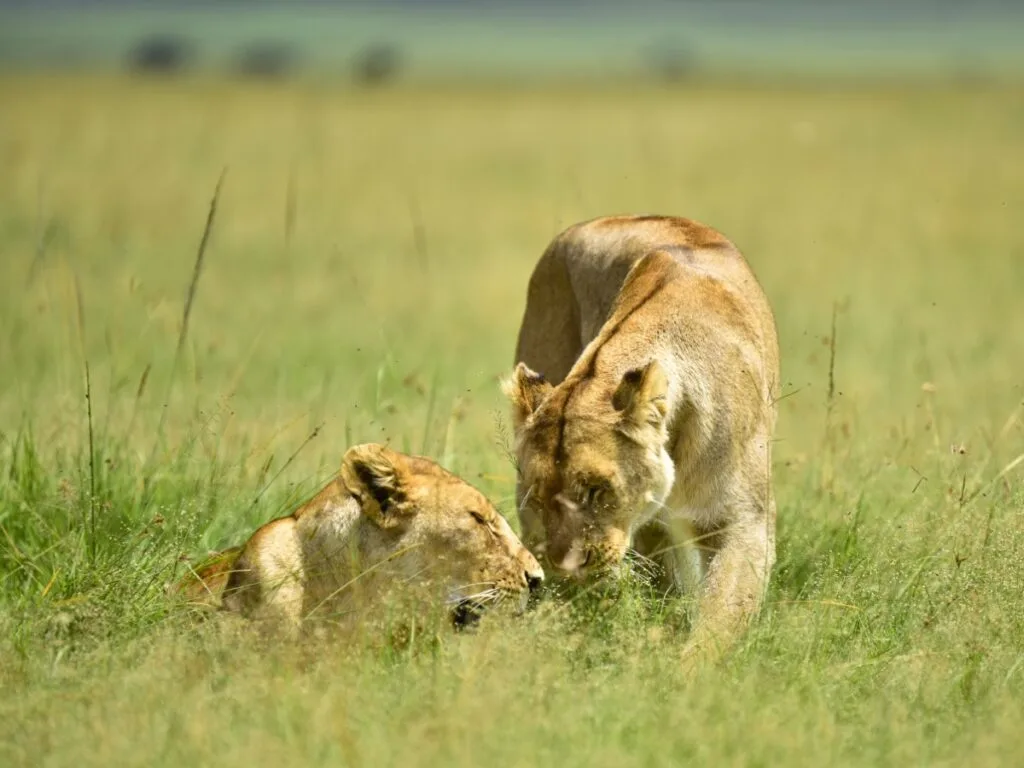
The Ngorongoro Crater floor contains a mix of short grassland, acacia woodland, a soda lake, swamp, and forest patches - compressed into a relatively small area that creates exceptional wildlife density. Predators are concentrated and visible: the crater's lion prides are among the most studied in Africa. The soda lake on the floor attracts flamingos seasonally. Vehicle access to the crater floor requires a park permit and all vehicles must be out by 6pm.
Black rhino in the Ngorongoro Crater

Black Rhino

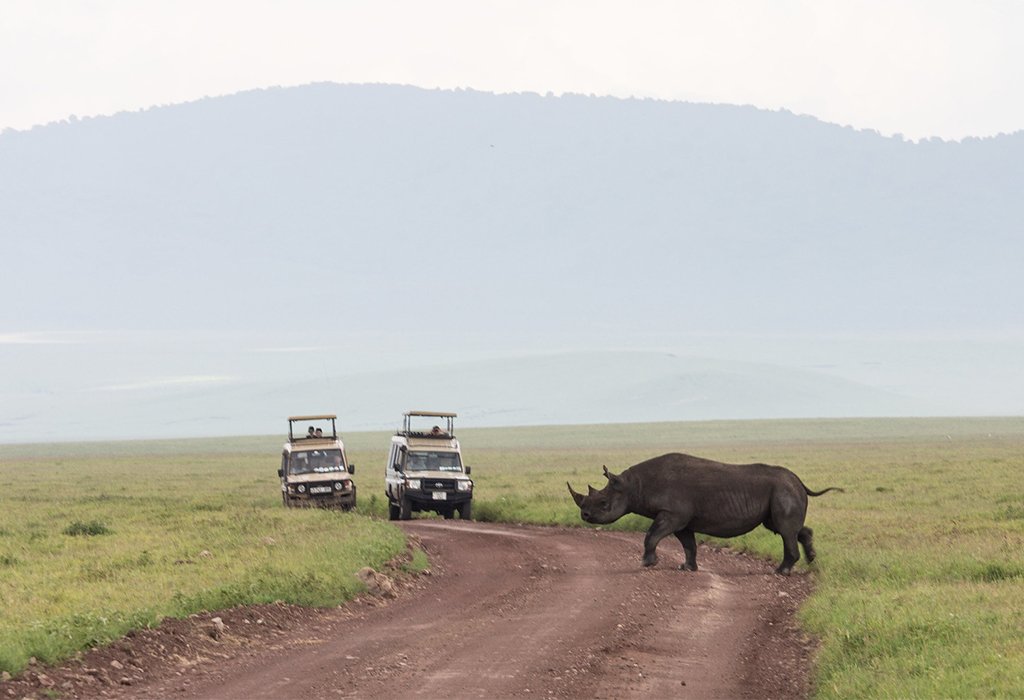
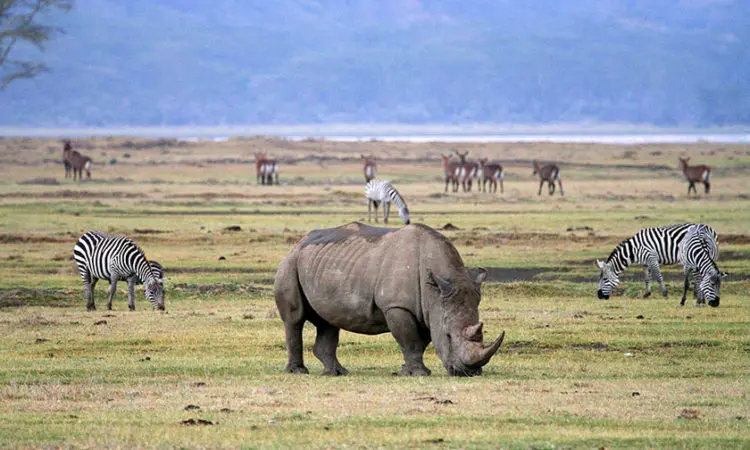
The Ngorongoro Conservation Area holds one of Tanzania's most viable black rhino populations. Sightings are not guaranteed - black rhino are shy and often remain in dense vegetation - but the crater is consistently one of the better places in East Africa to look for them. Dawn game drives give the best chance as rhino tend to be active in the early morning before retreating to shade.

Ngorongoro highland landscape and Olduvai Gorge area

Olduvai Gorge

Olduvai Gorge, within the Ngorongoro Conservation Area, is one of the most significant paleoanthropological sites in the world. Archaeological excavations beginning in the 1930s revealed fossil remains spanning nearly 2 million years of human evolution. The site museum near the gorge gives context for the finds and can be included as a stop on the way between the Serengeti and the crater.

Ready to visit Ngorongoro Conservation Area?

Tell us when you are travelling and what interests you - we will build the right itinerary around Ngorongoro Conservation Area.

Maluku Global Tours and Safaris

Tanzania tour operator based in Moshi, Kilimanjaro. We arrange safaris, Kilimanjaro climbs, Zanzibar holidays, and day trips.