
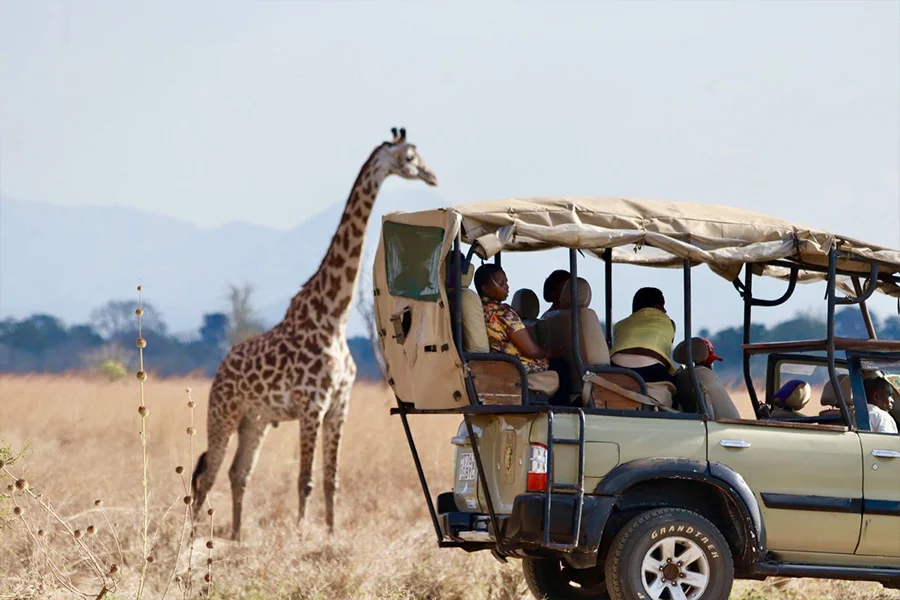

Ready to plan your Tanzania trip?
Our team in Moshi is available to answer questions and put together a tailored itinerary.
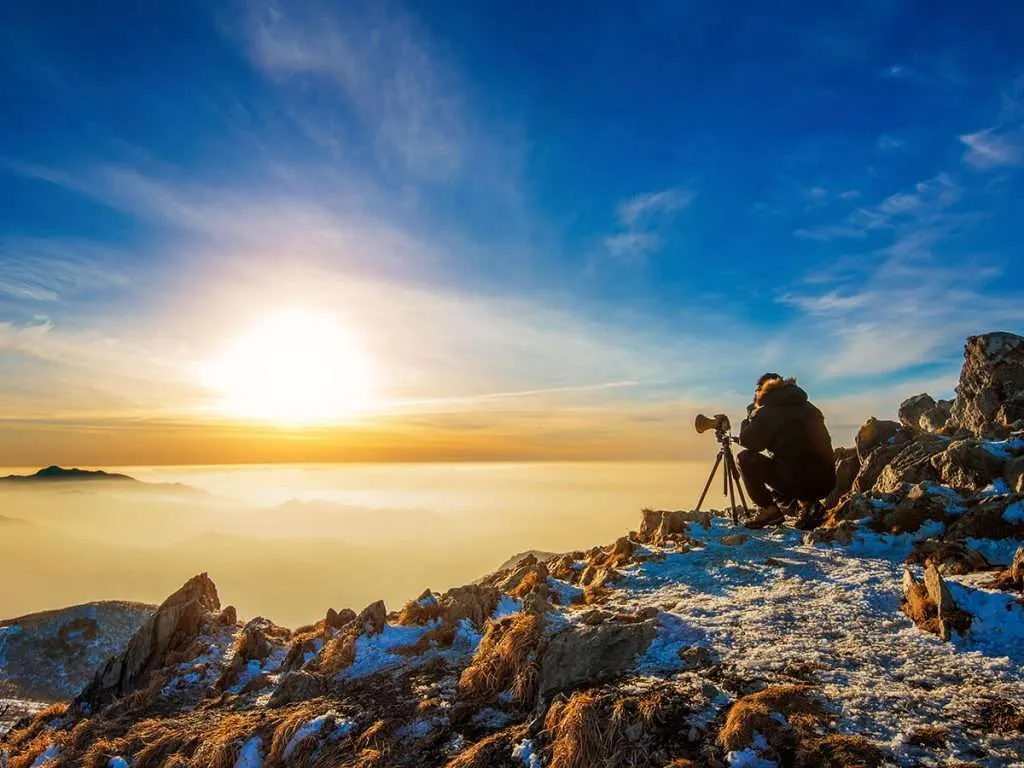
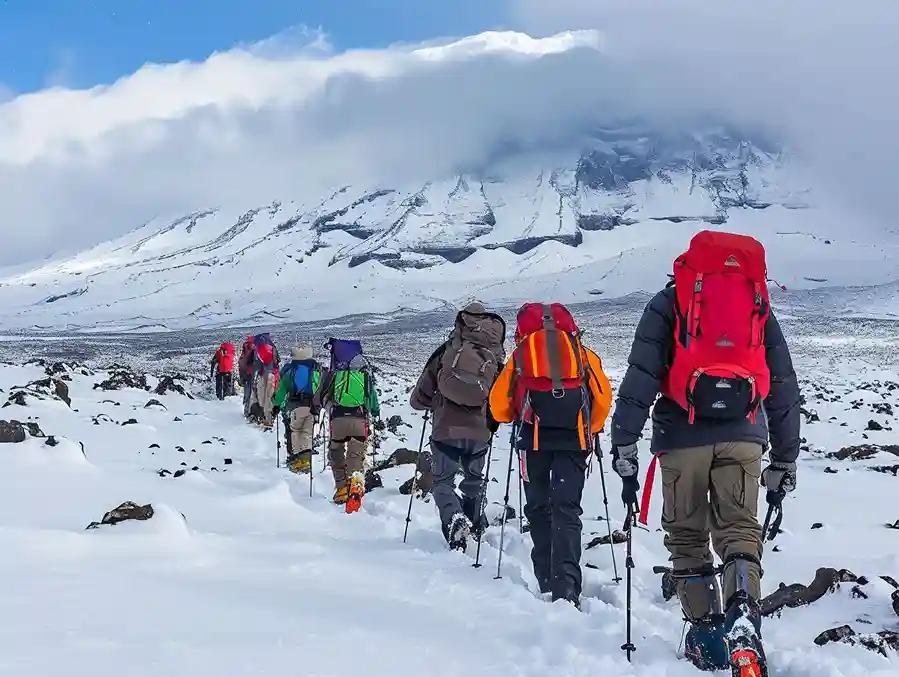
Kilimanjaro offers exceptional photography across all five ecological zones - from the dense green rainforest at the base to the surreal glaciers and volcanic rock of the summit crater. The challenge is managing your camera equipment across extreme conditions: humidity and rain in the forest, cold nights in the heath zone, freezing temperatures and wind on summit night. Understanding how to protect your gear, manage your batteries, and time your shots around the mountain's light conditions will make the difference between a handful of workable images and a complete record of the climb.
A mirrorless camera or DSLR with a versatile mid-range zoom (24-105mm equivalent) handles most situations on the mountain. A wider lens is useful for landscape shots on the Shira Plateau and summit crater. A compact camera or recent smartphone is a practical complement - easier to handle with gloves on summit night and less painful to lose if something goes wrong. Bring twice as many memory cards as you think you need. A lightweight tripod or travel tripod enables low-light and summit dawn shots that are not possible handheld.
Cold temperatures drain batteries rapidly - a battery that lasts all day in warm conditions may last 20 minutes in minus 15 at the summit. Bring at least three fully charged batteries per camera and keep spare batteries close to your body (in an inner chest pocket) to maintain their temperature. At camp, charge batteries from a power bank or the camp's solar charging if available. On summit night, keep the camera inside your jacket except when shooting, and use a hand warmer in the same pocket as the spare batteries.
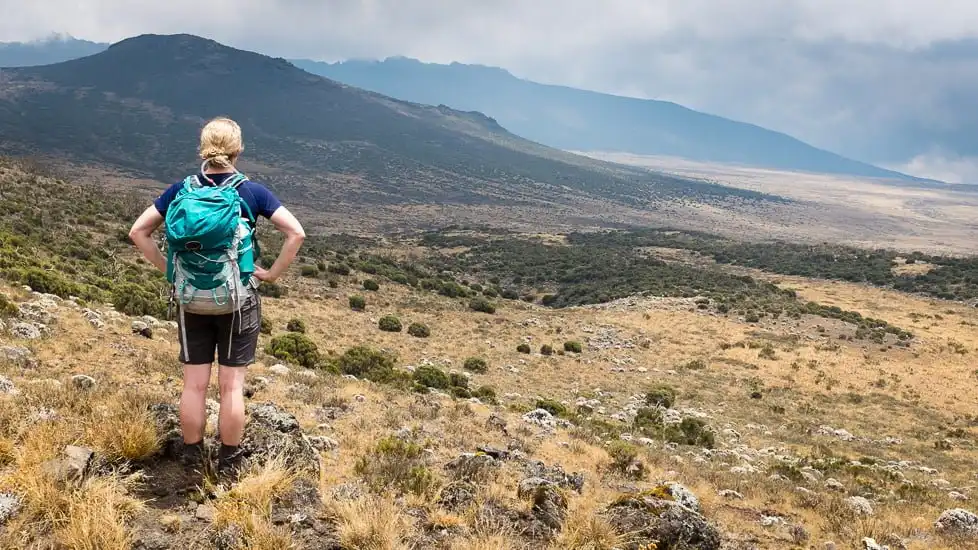
The Shira Plateau (Day 2-3 on the Lemosho route) offers the best wide landscape shots with the summit cone rising behind you and open moorland in the foreground. Sunrise on summit day from Stella Point or Uhuru Peak - typically around 7am - gives the best light for summit photography. The Barranco Wall (Machame and Lemosho routes) is the most dramatic single feature for action climbing shots. The forest zone on the descent via Mweka is often overlooked but has excellent light filtering through the canopy in the afternoon.
The forest zone on lower Kilimanjaro is genuinely humid and rains most afternoons. A rain cover for your camera bag is essential and a waterproof camera sleeve or dry bag keeps the camera protected during transitions between carrying and shooting. Condensation is a real risk when moving from cold high camps into warmer zones - allow the camera to adjust to ambient temperature gradually (inside a sealed bag) rather than exposing it immediately to warm, moist air. A microfibre cloth in an accessible pocket handles lens condensation quickly on the move.
Our team in Moshi is available to answer questions and put together a tailored itinerary.

Tanzania tour operator based in Moshi, Kilimanjaro. We arrange safaris, Kilimanjaro climbs, Zanzibar holidays, and day trips.
Road Taifa, Plot 16, Block C, Moshi CBD, Kilimanjaro, Tanzania