

Ready to plan your Tanzania trip?
Our team in Moshi is available to answer questions and put together a tailored itinerary.
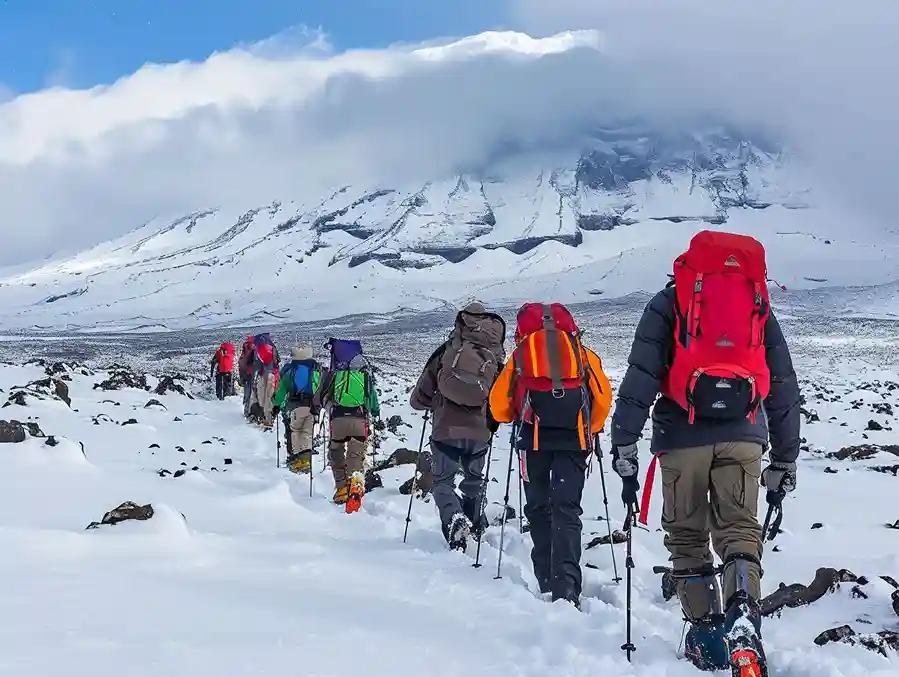
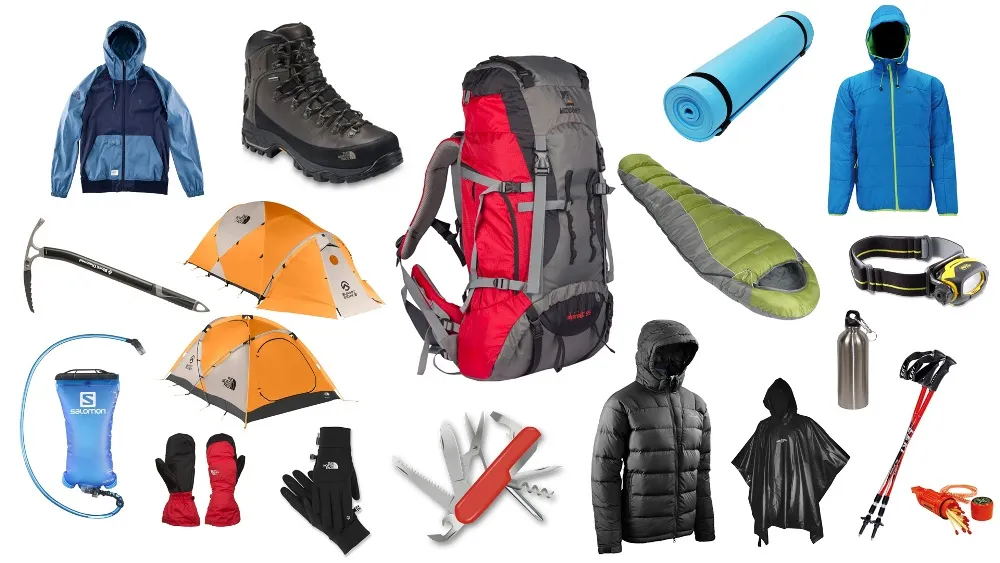
What you carry on Kilimanjaro directly affects your summit success. The mountain passes through five ecological zones from tropical rainforest to arctic summit conditions, and your gear needs to perform across all of them. The key principles: a proper layering system that works at both 27 degrees Celsius in the forest and minus 15 at the summit, a warm enough sleeping bag for high-altitude camp temperatures, broken-in boots that you can trust on 8-9 consecutive days of hiking, and a well-fitted daypack. Everything else is supporting detail. Porters carry the main gear bag - climbers carry only a daypack on the trail.
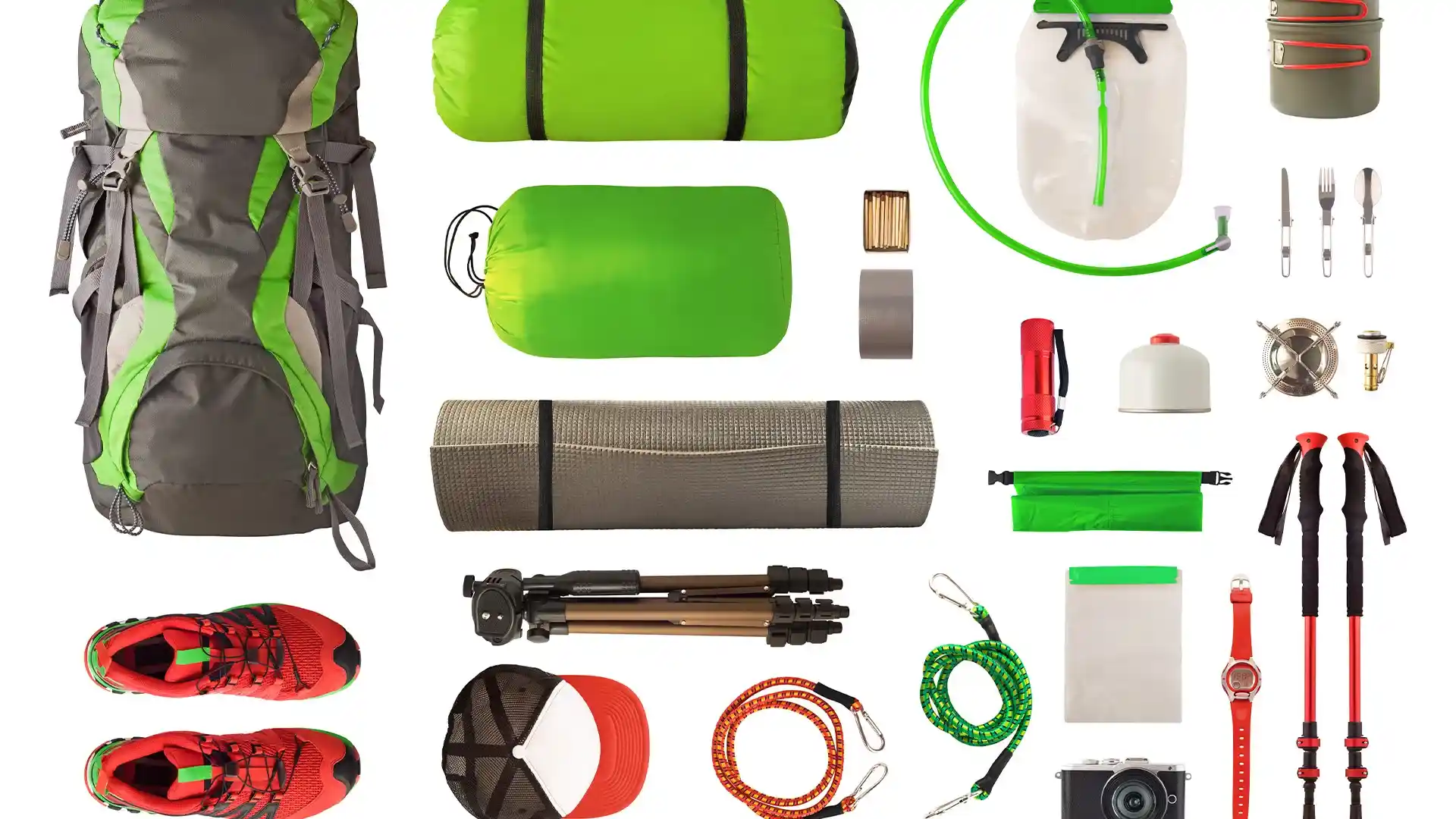
The layering system for Kilimanjaro works in three tiers. The base layer should be moisture-wicking synthetic or merino wool - not cotton, which stays wet and becomes dangerously cold. The mid layer is insulation: a down or synthetic jacket that packs small and provides warmth at the higher camps. The outer layer is a waterproof and windproof shell that protects against rain in the forest zone and wind at the summit. For the summit push (typically starting at midnight), you need everything simultaneously: base layer, mid layer, shell, fleece trousers under waterproof trousers, balaclava, warm hat, and layered gloves. Down mitts over liner gloves is the most reliable hand system for summit night.
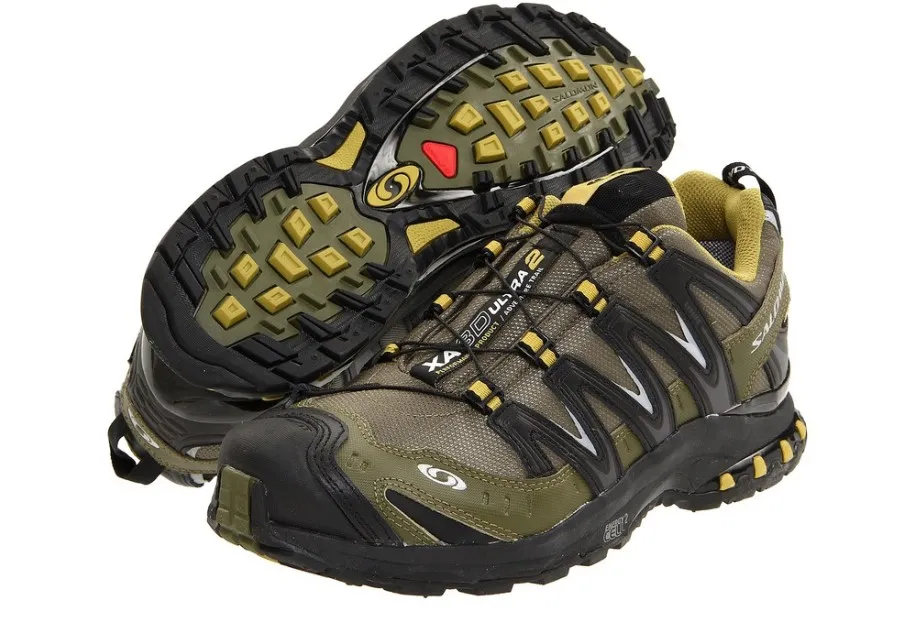
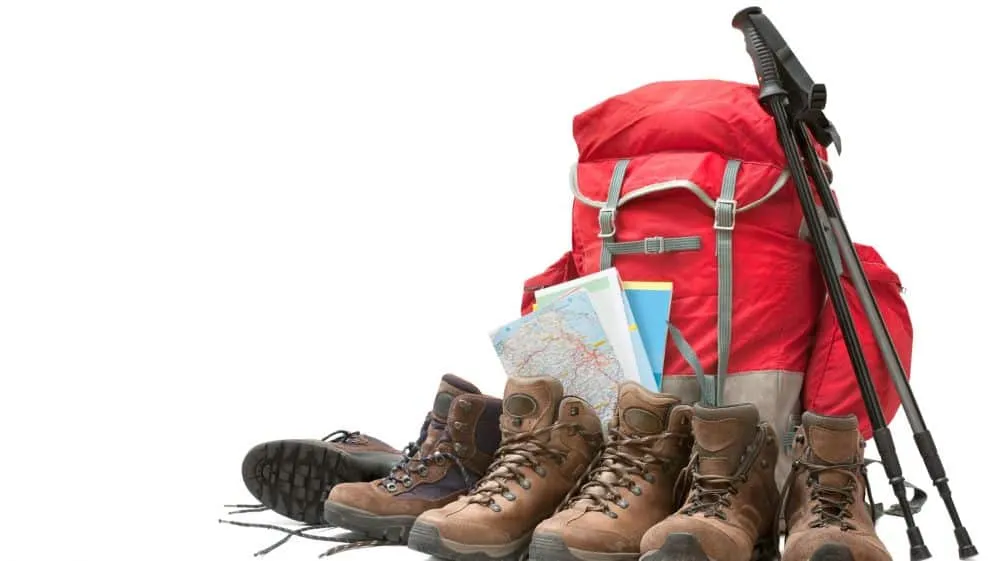
Boots are the single most important gear decision for Kilimanjaro. They must be waterproof, ankle-supporting, and - critically - broken in before the climb. Blisters from new boots have ended more Kilimanjaro attempts than altitude. The ideal boot is a mid to heavyweight hiking boot with a stiff sole for traction on scree and loose ground. Bring camp shoes or sandals for the evenings at camp. Gaiters are worth carrying for the forest zone trails after rain and for the scree and ash on summit night. Bring at least two pairs of moisture-wicking hiking socks per climbing day.
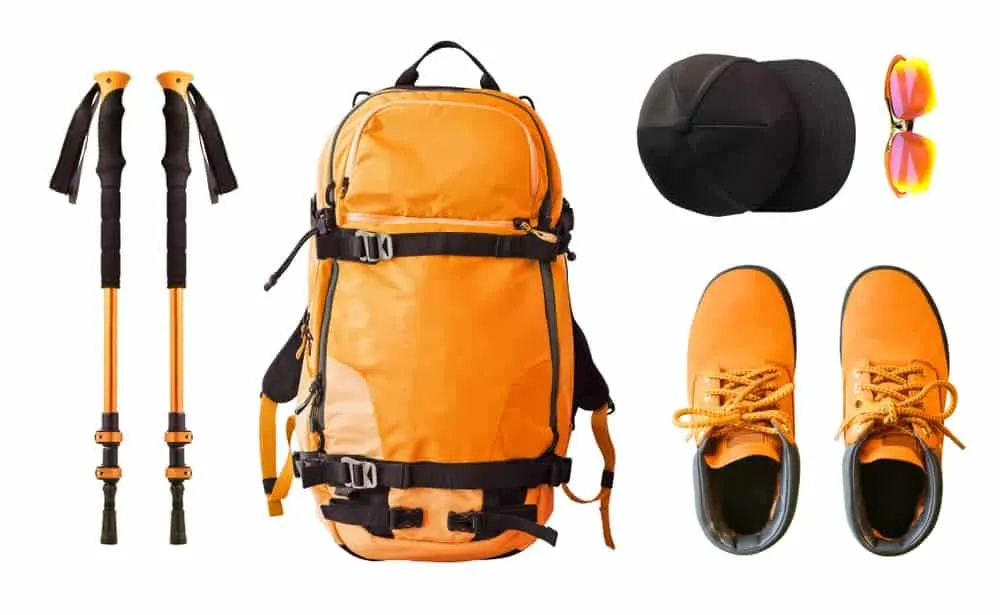
Camp temperatures on Kilimanjaro vary from cold (around 5 degrees Celsius at Horombo or Barranco) to very cold (minus 10 to minus 15 at Barafu and Kibo camps). A sleeping bag rated to at least minus 15 degrees Celsius is recommended - many climbers with minus 10 bags find themselves cold at high camp. Sleeping bag liners add measurable warmth and keep the bag clean across a multi-day climb. Maluku provides sleeping mats at all tented camps so climbers do not need to bring their own. Sleeping bags can be rented in Moshi if you do not own a suitable one.
The following items are readily available to rent from gear shops in Moshi, so you do not need to buy or bring them from home if you prefer not to: sleeping bags (rated to various temperatures), trekking poles, gaiters, down jackets, waterproof trousers, and duffel bags for gear storage. The quality and condition of rental gear varies - inspect items carefully before departure day. Items worth buying rather than renting: your boots (fit is critical), your base layers (hygiene), and your gloves (dexterity matters on summit night).
Our team in Moshi is available to answer questions and put together a tailored itinerary.

Tanzania tour operator based in Moshi, Kilimanjaro. We arrange safaris, Kilimanjaro climbs, Zanzibar holidays, and day trips.
Road Taifa, Plot 16, Block C, Moshi CBD, Kilimanjaro, Tanzania